
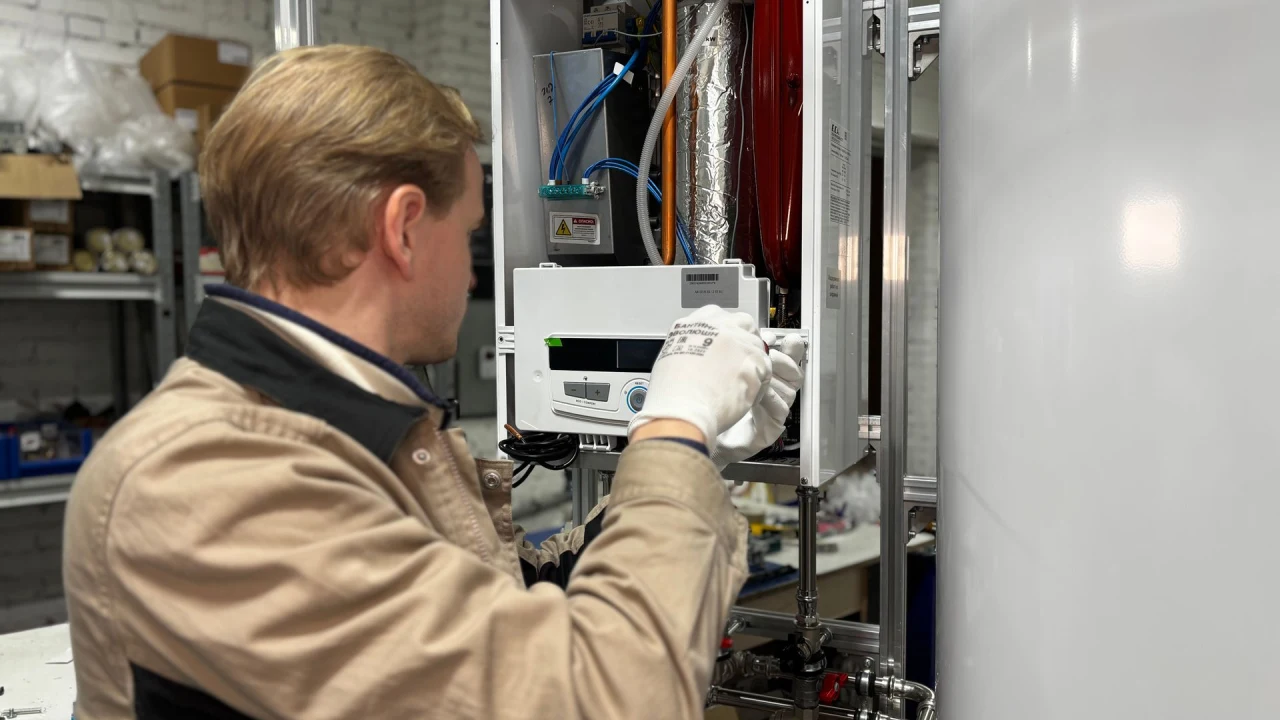
Complete Boiler Installation Guide for UK Homeowners
Replacing an old heating system is one of the most important home improvements you can make. A professional boiler installation improves comfort, lowers energy bills, and gives you reliable hot water all year round. Whether your current unit is failing, you are renovating, or you simply want a more efficient system, understanding the process before you commit will save you time, money, and stress.
This guide walks UK homeowners through every stage of a modern boiler installation, from choosing the right type of boiler to what happens on the day your engineer arrives. We cover costs, regulations, brand choices including the popular Vaillant boiler range, and practical tips to help your project run smoothly.
Why Boiler Installation Matters
Your boiler is the heart of your home heating system. An outdated or poorly installed unit wastes energy, struggles to heat rooms evenly, and can pose safety risks if it is not maintained or replaced when needed. According to the Energy Saving Trust, upgrading from an old G-rated boiler to a modern A-rated model can cut your heating bills significantly, often by hundreds of pounds each year.
Beyond savings, a new boiler installation gives you peace of mind. Modern condensing boilers are far more efficient than models installed fifteen or twenty years ago. They recover heat from exhaust gases that older units simply vented away. The result is lower carbon emissions, better performance, and a heating system that responds quickly when you need warmth.
Get Your Free Boiler Installation Quote
Speak to our Gas Safe engineers today for a fixed-price boiler quote.
Get Free QuoteTypes of Boilers Available in the UK
Before arranging a boiler installation, you need to understand which type suits your property. The three main categories are combi, system, and regular (heat-only) boilers. Each has distinct advantages depending on your home size, water demand, and existing pipework.
Combi Boilers
A combi boiler is the most popular choice for UK homes, particularly flats and houses with one or two bathrooms. Combi systems heat water on demand, so there is no need for a separate hot water cylinder or cold water tank in the loft. This saves space and reduces heat loss from stored water.
Combi boilers work well when mains water pressure is adequate and hot water demand is moderate. If multiple showers run simultaneously every morning, a system boiler with a cylinder may be a better fit. Your installer should assess your property before recommending a combi boiler or an alternative.
System and Regular Boilers
System boilers use a hot water cylinder but do not require a loft tank. They suit larger homes with higher hot water demand. Regular boilers, sometimes called heat-only or conventional boilers, need both a cylinder and a cold water tank. They are common in older properties where the existing infrastructure makes a full conversion costly.
Switching from a regular boiler to a combi boiler is possible in many homes, but it involves additional pipework and may require upgrading your gas supply. A qualified engineer will explain whether a conversion is practical and cost-effective for your situation.
Choosing a Boiler Brand
Several manufacturers dominate the UK market, and brand choice affects warranty length, parts availability, and long-term reliability. Worcester Bosch, Ideal, Viessmann, and Vaillant are among the most trusted names. A Vaillant boiler is often recommended for its build quality, quiet operation, and strong warranty packages on premium models such as the ecoTEC Plus range.
When comparing brands, look beyond the headline price. Check warranty terms, availability of local service agents, and whether the model you choose qualifies for any manufacturer cashback or promotional offers. You can explore the full Vaillant product range on the official Vaillant UK website to compare specifications before speaking to an installer.
Your installer should recommend a boiler that matches your property's heating load. Oversizing wastes money and can cause short-cycling, where the boiler turns on and off too frequently. Undersizing leaves you cold on the coldest days. A heat loss calculation, sometimes called a heat survey, ensures the right output rating is selected.
Gas Safe Registration: Non-Negotiable
Any boiler installation involving gas must be carried out by a Gas Safe registered engineer. Gas Safe replaced CORGI as the official gas registration body in 2009, and it remains the legal standard for gas work in Great Britain. Never allow an unregistered person to install, repair, or service a gas boiler, it is illegal and dangerous.
Always ask to see your engineer's Gas Safe ID card before work begins. You can also verify registration on the Gas Safe Register website by entering the engineer's licence number. After installation, you should receive a Building Regulations Compliance Certificate and, where applicable, a Benchmark commissioning checklist completed by the installer.
These documents are essential for warranty claims, home insurance, and future property sales. Keep them with your boiler paperwork alongside the manufacturer's instruction manual and any service records.
How Much Does Boiler Installation Cost?
Boiler installation costs in the UK typically range from £1,500 to £3,500 for a straightforward like-for-like combi swap, depending on the boiler brand, output rating, and your location. More complex jobs, such as relocating the boiler, converting from a regular to a combi system, or upgrading pipework, can push costs toward £4,000 or beyond.
Key factors that influence price include:
- Boiler type and brand, Premium models from Vaillant, Worcester Bosch, or Viessmann cost more upfront but often include longer warranties.
- Installation complexity, Moving the boiler to a new location, adding a magnetic filter, or upgrading the flue all add labour and materials.
- Additional components, New thermostatic radiator valves, a smart thermostat, a system flush, or a scale reducer may be recommended or required.
- Regional labour rates, Installers in London and the South East typically charge more than those in other parts of the UK.
Always request a written, itemised quote before agreeing to proceed. A reputable company will visit your property, assess the existing system, and explain what is included in the price. Be wary of quotes given over the phone without a survey, they often exclude costs that appear later.
What to Expect on Installation Day
A standard boiler installation usually takes one to two days. Here is a typical timeline so you know what to expect when the engineer arrives.
Day One: Removal and Preparation
The engineer will isolate the gas and water supplies, drain the existing system, and remove the old boiler. They will inspect pipework, the flue route, and the condensate drain. If any issues are found, corroded pipes, an incorrectly sized gas pipe, or a flue that no longer meets regulations, these will be discussed before work continues.
The new boiler is then mounted on the wall (or in a cupboard, depending on your setup). Pipework is connected, the flue is installed or replaced, and the condensate pipe is routed to a suitable drain. Electrical connections are made if the boiler requires a permanent fused spur.
Day Two: Commissioning and Handover
Once installed, the engineer fills and pressurises the system, bleeds radiators, and commissions the boiler according to the manufacturer's instructions. They will set the correct gas rate, check flue integrity, test safety devices, and demonstrate how to use the controls.
Before leaving, a Gas Safe registered engineer must issue the appropriate certification. You should also receive guidance on servicing intervals, most manufacturers recommend an annual service to maintain warranty validity and ensure safe operation.
Preparing Your Home for Installation
A little preparation helps the installation team work efficiently and protects your home during the job. Clear the area around your existing boiler and ensure the engineer has clear access to the loft if a tank needs removing. Move furniture away from the route between the front door and the boiler location.
If you have pets or young children, plan to keep them in a separate room while work is underway. The engineer will need to turn off the heating and hot water for several hours, so consider timing the installation for a mild day or arranging alternative shower facilities if the work spans two days.
It is also worth checking whether your home insurance covers accidental damage during trades work. Most professional installers carry public liability insurance, but confirming this before the job starts is sensible.
Boiler Efficiency and Running Costs
Modern condensing boilers achieve efficiency ratings of 90% or higher, meaning very little energy is wasted. When paired with smart heating controls, such as a programmable thermostat or a smart TRV system, you can reduce running costs further by heating rooms only when needed.
If you are replacing a boiler that is over twelve years old, the efficiency improvement alone can justify the installation cost within a few years. Add in the reliability of a new unit with a full warranty, and the financial case becomes even stronger.
Consider also whether your radiators are sized correctly for the new boiler's output. In some cases, upgrading radiators in the coldest rooms improves comfort without increasing energy use. Your installer can advise whether this is worthwhile during the survey.
Grants and Schemes
While the previous Boiler Upgrade Scheme focused on heat pumps, gas boiler installation remains the most practical and affordable option for the majority of UK homes connected to the mains gas network. Some energy suppliers and local authorities occasionally offer incentives for upgrading inefficient boilers, so it is worth checking current schemes in your area.
Aftercare: Servicing and Maintenance
A boiler installation is not the end of the story. Annual servicing by a Gas Safe registered engineer keeps your warranty valid, identifies wear before it becomes a breakdown, and ensures the boiler continues to operate safely and efficiently. During a service, the engineer will clean components, check the flue, test safety devices, and verify gas pressure.
Between services, bleed radiators if they feel cold at the top, monitor the system pressure gauge (it should typically sit between 1 and 1.5 bar when cold), and listen for unusual noises. Addressing small issues early prevents costly emergency callouts in winter.
Common Mistakes to Avoid
Homeowners sometimes cut corners during a boiler installation and regret it later. Avoid these common pitfalls:
- Choosing the cheapest quote without checking credentials, Always verify Gas Safe registration and read reviews.
- Ignoring the survey, A proper heat loss calculation prevents oversizing or undersizing.
- Skipping the system flush, Installing a new boiler on dirty pipework reduces efficiency and can invalidate the warranty.
- Not registering the warranty, Many manufacturers require online registration within thirty days of installation.
- Blocking the flue or condensate pipe, Ensure external pipes are insulated and protected from freezing.
When to Replace Rather Than Repair
If your boiler breaks down regularly, is more than fifteen years old, or repair costs exceed half the price of a new installation, replacement is usually the better option. Newer models are quieter, more compact, and far more efficient. You also gain a fresh warranty that covers parts and, in some cases, labour.
Intermittent faults, such as pressure dropping, the pilot light going out, or radiators that never fully heat, are signs that your boiler is nearing the end of its useful life. A Gas Safe engineer can advise whether a repair is viable or whether investing in a new boiler installation makes more financial sense.
Getting Started with Your Boiler Installation
Ready to upgrade your heating system? The first step is a home survey by a qualified, Gas Safe registered installer. They will assess your property, discuss your hot water and heating needs, and recommend the right boiler type and output. Whether you choose a compact combi boiler for a flat or a high-output Vaillant system for a larger family home, professional advice ensures you get the right solution.
At MeraBoiler, we specialise in fixed-price boiler installation across the UK. Our engineers are fully Gas Safe registered, and we work with leading brands including Vaillant, Worcester Bosch, and Ideal. We handle everything from the initial survey to commissioning and certification, so you can enjoy reliable heating without the hassle.
Visit our boiler installation service page to learn more about what is included in a MeraBoiler installation, or head to our free quote page to get a fixed price in minutes. There is no obligation, and our quotes are valid for thirty days.
Final Thoughts
A well-planned boiler installation transforms your home comfort and reduces energy waste for years to come. Take time to understand your options, choose a Gas Safe registered installer, and invest in a quality boiler that suits your property. With the right preparation and professional support, the process is straightforward, and the result is a warm, efficient home you can rely on through every British winter.